
“You can’t feel guilty. You’re not Catholic,” my friend once said to me in
 jest. She often jokes about the deep sense of conscience instilled in her by her devout Catholic upbringing. She is not always comfortable with it.
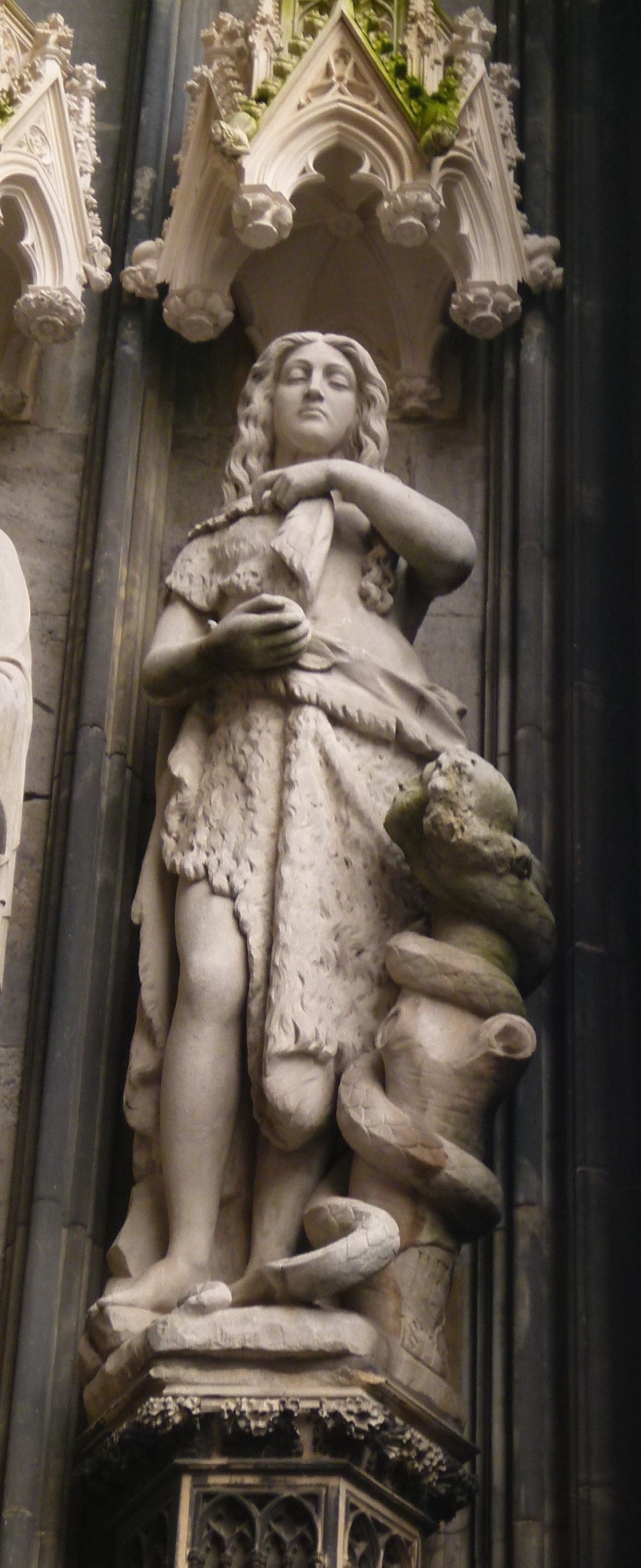
A perpetual background feeling of guilt is at times associated with people of all religions. Whether it is the myth of Pandora’s box or of Adam and Eve disobeying God, this guilt is residue from the doctrine of original sin. Original sin is the belief that you are inherently wrong because one man or woman’s mistakes have cursed all of mankind with the penchant to sin.
Does God blame the innocent for their forebear’s transgressions? Does God create something that can go astray? Does God blame his people for doing what He made them capable of doing? These are important questions to answer according to the nature of the God we worship.
If God is made in man’s image, it would be natural to look around and see the worst in mankind and conclude that God is the creator of it. This is what we call deductive reasoning, going from effect back to cause, reasoning from what we see around us to what may have caused it.
The Bible tells the story of Adam and Eve falling from grace, but it also gives a different account of creation that excludes sin, blame, and guilt. This creation begins with God rather than mankind and describes man as created in God’s likeness. The conclusion from this point of view is that man is not continually guilty, but is continually blessed. God sees His creation as very good, just like Himself/Herself. Starting from God’s nature as divine Love and people as reflecting that nature, is called inductive reasoning, going from cause to effect.
The moral demand on each of us is to realize our ability to choose between these two ways of reasoning in each circumstance and to decide if we are going to believe in God as man’s image (from effect to cause) or man in God’s image (from cause to effect.) One view holds God and man together as original and reflection. The other separates them as original and deflection. Which comes first in our reasoning? What did Jesus teach about this?
Science and Health has this comment, “Jesus of Nazareth taught and demonstrated man’s oneness with the Father, and for this we owe him endless homage. His mission was both individual and collective. He did life’s work aright not only in justice to himself, but in mercy to mortals, — to show them how to do theirs, but not to do it for them nor to relieve them of a single responsibility.”*
On a recent trip to Germany, I had the opportunity of hearing from a number of citizens of that country telling about their experiences of WWII and its aftermath. Both individually and collectively these citizens recognized the consequences of seeing (or not seeing) the moral demand to choose for themselves how to think and act when confronted by government and society pressure. Many chose to start with a loving universal God and let their actions reflect this. More did not. Yet now they see more than ever, the importance of doing so. And they recognize that, as Elie Wiesel said, “We do not inherit guilt, only responsibility.”
No matter how poorly Jesus was treated, he chose to love. Jesus’ life and example teach us to do the same. They do not relieve us of the duty to choose well. We each have the responsibility of our choices moment by moment. Not even Jesus’ crucifixion can relieve us of this obligation. To be able to make free choices, not based on inherited guilt, not based on inevitable sin, but on our unbreakable relationship with an all loving God, opens up infinite possibilities for good. This responsibility is responding to God’s ability to create and keep creation good and blessed.
Next time you are tempted to blame theology, your parents, the weather, the government, society, or anything else for the choices you are making or the thoughts you are thinking, take a pause. Restart with God and what God is knowing and doing and remember that you reflect God. Then you can feel blessed instead of guilty.
*Science and Health with Key to the Scriptures by Mary Baker Eddy pg18:3–9
Kelly
Thank you Cindy. We can always choose Love.
Charlotte
Knowing God, our source, is the only way to live confidently and with peace. Thanks for your insightful blog.